Champions League Away Goals Rule: Why It Was Scrapped and What Replaced It
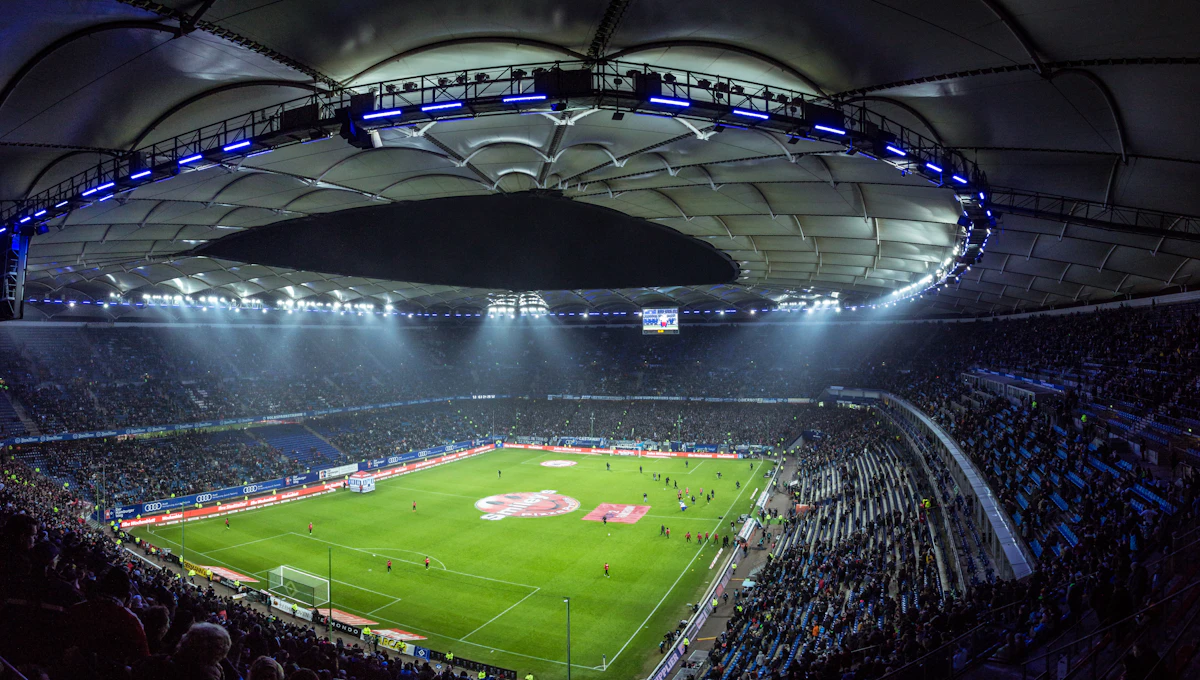
- Primary Signal: Champions League Away Goals Rule: Why It Was Scrapped and What Replaced It
- Overview: The away goals rule decided Champions League ties for more than fifty years, then UEFA abolished it in 2021. This guide explains what it was, why it was removed, and how tied games...
- Verification: Analyzed and compiled by Soccer2026 Global editorial monitoring desk.
For more than fifty years, the away goals rule was one of the most famous and most argued-about rules in European football. It decided countless Champions League ties, produced some of the most dramatic nights in the competition's history, and ended almost as many arguments as it started. Then, in June 2021, UEFA abolished it, and two-legged ties have been decided differently ever since. Fans who grew up with the rule still do the maths instinctively when a tie is level, and newcomers are often confused about why a 2-2 draw away from home no longer counts for more than a 2-2 draw at home. This guide explains what the rule was, why UEFA removed it, and exactly what happens now when a knockout tie finishes level on aggregate.
What the Away Goals Rule Was
The away goals rule was introduced in the 1965-66 season to decide two-legged ties that finished level on aggregate. If the two teams had scored the same number of goals across both matches, the team that had scored more goals away from home advanced. A 1-1 draw away from home followed by a 0-0 draw at home was enough to progress, while a 2-2 draw away followed by a 1-1 draw at home was not, because the away side in the second leg had scored twice. The logic was that scoring away from home was harder: hostile crowds, unfamiliar pitches and long journeys made away goals more valuable, so they deserved extra weight. The rule also had a practical purpose. Before penalty shootouts were widely used, it gave ties a decisive outcome without a replay or a coin toss, and it was supposed to encourage away teams to attack rather than defend for a goalless draw.
Why UEFA Scrapped It
By 2021, UEFA concluded that the reasons for the rule no longer applied. Home advantage had shrunk significantly: better pitches, standardised stadiums, improved travel and modern tactics meant away teams no longer faced the disadvantages they had in the 1960s. Statistical analysis showed that home teams no longer won as often or scored as many more goals than away teams, so the extra weight given to away goals was no longer justified. The rule had also started to distort tactics in the opposite direction from its original purpose. Home teams in the first leg became cautious, fearful of conceding an away goal that could decide the tie, while away teams in the second leg were rewarded for defending a lead rather than attacking. Perhaps most importantly, the rule produced outcomes that felt unfair: a team could dominate a tie, win its home leg comfortably, and still be eliminated because it conceded one goal too many away from home. UEFA decided that a tie level on aggregate should be decided by extra time and penalties, not by where the goals were scored.
What Replaced It: Extra Time and Penalties
Since the 2021-22 season, a Champions League knockout tie that finishes level on aggregate goes to thirty minutes of extra time, followed by a penalty shootout if the scores are still level. There is no longer any advantage to scoring away from home: a goal counts the same wherever it is scored. The change has made second legs more open, because home teams no longer fear conceding an away goal that could decide the tie, and it has made extra time more common, since ties that would once have been settled by away goals now go the distance. The rule change also applies to the knockout phase play-offs in the new league-phase format, and to the Europa League and Conference League. For fans, the practical lesson is simple: when a tie is level on aggregate, stop counting away goals. The next goal wins nothing on its own, and the tie will be decided by extra time, penalties, or a goal in open play that breaks the deadlock.
Q: When was the away goals rule scrapped in the Champions League? A: UEFA abolished it in June 2021, and the change took effect from the 2021-22 season. It no longer applies in any UEFA club competition.
Q: Why did UEFA remove the away goals rule? A: Because home advantage had shrunk, the rule was distorting tactics by making home teams cautious, and it produced outcomes that felt unfair. UEFA decided level ties should be decided by extra time and penalties.
Q: What happens now if a Champions League tie is level on aggregate? A: The tie goes to thirty minutes of extra time, and if the scores are still level, a penalty shootout decides who advances. Away goals count for nothing.
More from Soccer2026 Global


