Is possession football dying? The tactical evolution transforming the Premier League

Story summary
ANALYSIS: Possession has long been the Premier League’s currency but the balance of power is shifting, writes Lawrence Ostlere. In an era of relentless pressing, low blocks and devastating transitions, the team with the ball has never been more vulnerable
📌 Key Highlights & Takeaways
- ANALYSIS: Possession has long been the Premier League’s currency but the balance of power is shifting, writes Lawrence Ostlere.
- In an era of relentless pressing, low blocks and devastating transitions, the team with the ball has never been more vulnerable
In the top half of the current Premier League table, six teams average less than 50 per cent possession. One of those, Hull City, averages only 33 per cent. And while the top three sides have dominated the ball, the standout performance among them was Brighton’s 3-0 win over Arsenal , a pressing masterclass in which Fabian Hurzeler ’s team recorded only 40 per cent possession.
This may shake out over time. It’s only been six games. Hull may recede to the lower reaches. Tottenham (19th, 59 per cent) usually clean up and stumble home in 17th, like a functioning alcoholic. But the early success of low-possession sides is more than a random quirk, and follows a trend in which the close relationship between points and possession is weakening.
Between 2016 and 2024 – the first eight years of Pep Guardiola in the Premier League – on the 16 occasions when a team won at least 80 points, 12 of those 16 sides averaged at least 60 per cent possession, and three more averaged more than 58 per cent. Teams who dominated the league dominated the ball. Possession was nine-tenths of the law. The only exception was Antonio Conte’s Chelsea, which won the 2016/17 title with wing-backs, although even Conte’s team had 55 per cent of the ball.
Yet there has been a shift over the past two years. Last season was the first for 20 years in which more Premier League games were won by the team with less possession. You can even see it in the most recent title winners – Liverpool and Arsenal – who both won the league with significantly lower average possession than Guardiola’s City managed in the previous four seasons.
Was that simply because Arne Slot and Mikel Arteta were not as obsessive as Guardiola when it came to keeping the ball? Well, partly. But even Guardiola veered away from his style in his final season because he realised the game was moving in a new direction. He evolved City into a more narrow and direct team in his final months, built largely around Antoine Semenyo, a player who would have seemed positively un-Pep only a couple of years earlier.
The numbers are partly skewed by certain clubs and individuals, such as the departure of Jurgen Klopp and “the Spurs phenomenon”. But there is undoubtedly a wider movement away from controlled possession towards deliberate sabotage, away from breaking teams down towards baiting them into a trap – and, in Brighton’s case, mastering both arts.
Perhaps this is all just a natural reaction to years of Guardiola’s carefully stage-managed positional play, increasingly resisted by well-drilled low blocks, disrupted by orchestrated pressing and dismantled by unpredictable movement. We have heard plenty about the Premier League’s increase in fast breaks and counter-attacks. Managers now use words such as “intensity” and “verticality” to describe the teams they are creating.
“Today, modern football is the way Bournemouth, Newcastle, Brighton and Liverpool play,” Guardiola said last season. “Modern football is not positional; you have to ride the rhythm.”
Implied Probability & Edge Calculator
Calculate payout margins, true implied odds, and percentage shifts instantly.
Source: The Independent.
Read the full story at the original source ↗
For questions: mrsmithcons@gmail.com.
❓ Frequently Asked Questions (Champions League Briefing)
How does this Champions League update impact qualification and seeding for the 2026 World Cup?
Tournament group stage projections and FIFA coefficient rankings adjust dynamically with these results, directly influencing tactical preparation across North American host stadiums.
What tactical adjustments and squad rotations are managers deploying?
High-pressing metrics (PPDA) and transition speed from defensive third to attacking third indicate managers are emphasizing compact zonal spacing and rapid counter-attacks.
Where can fans follow verified match telemetry and live fixture updates?
Follow Soccer2026 Global for real-time match telemetry, tactical pitch heatmaps, and official FIFA 2026 tournament bracket analyses.
📊 In-Depth Tournament Bracket & Advanced Metric Dossier
Full statistical radar charts, expected goal differentials, and tournament odds.
⚡ Access Tournament Stats ➔More from Soccer2026 Global


 ⚽ Global Football Odds
Manchester City vs PSG Champions League Odds: Moneyline, Totals and BTTS Markets
Defending champions PSG visit the Etihad as City look to extend an eight-game winning run — we break down the ...
 🇮🇹 Mondiali 2026 Italia
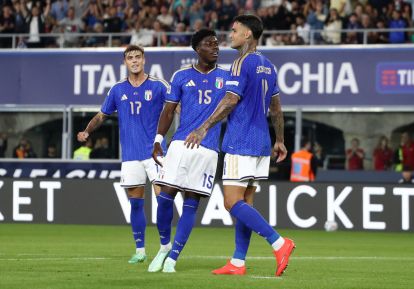
Italy duo reacts as Doumbia scores first Champions League goal
Italy international Issa Doumbia scored his first Champions League goal in a 2-0 away win......
 ⚽ Football2026 Live
Como head coach Cesc Fabregas full of praise for Feyenoord’s ‘difference maker’ after Champions League defeat
Feyenoord grabbed their first win in the Champions League this season with an entertaining 3-2 victory over Se...
 ⚽ SportsBet Insights Live
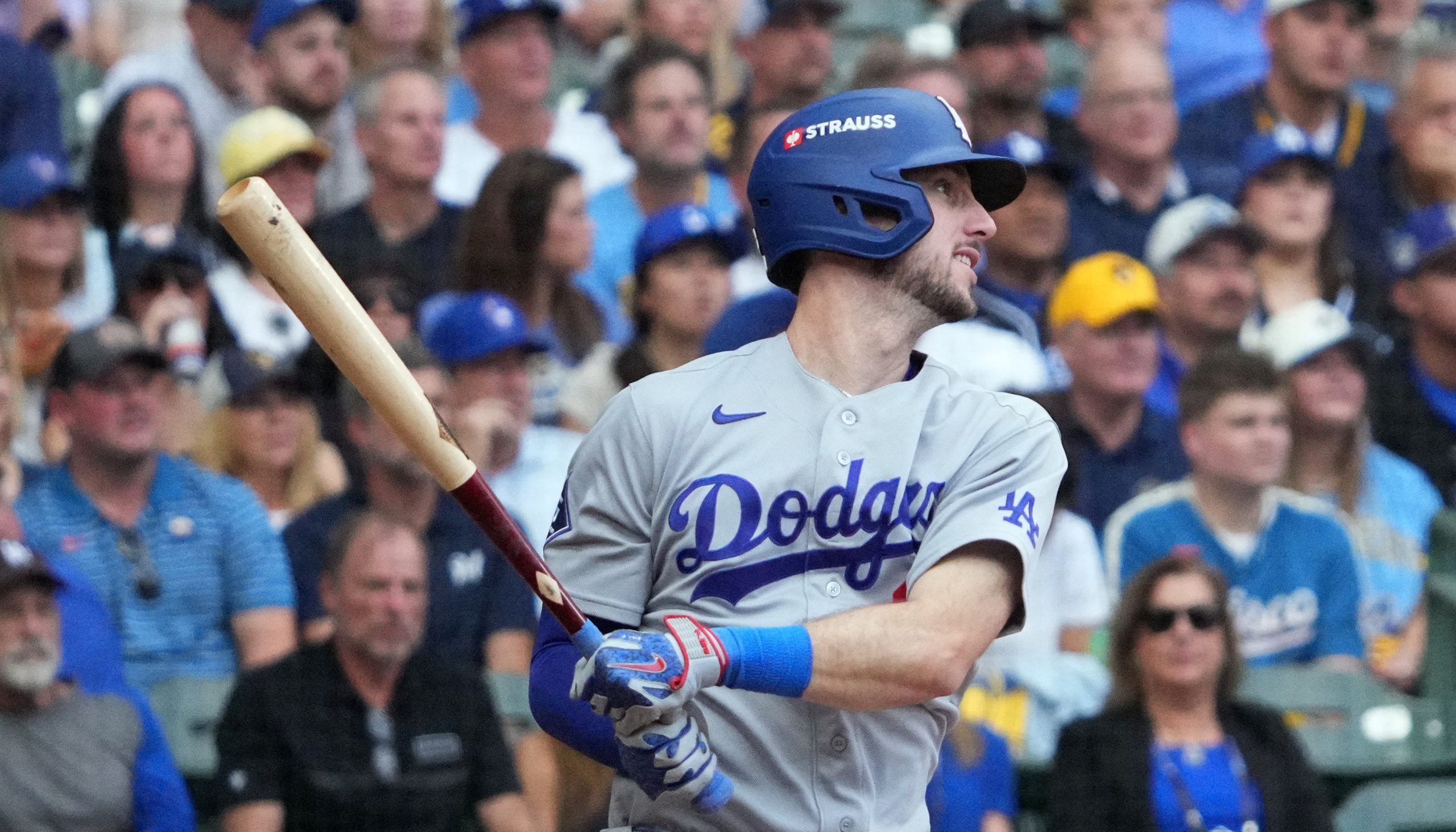
Brewers vs Dodgers Player Props, Predictions & Lines (Game 3)
The Milwaukee Brewers (103-59, 48-33 away) travel to the West Coast to continue the NLCS against the Los Angel...