Real Madrid Champions League 2026-27: The Kings of Europe and the Road to Madrid
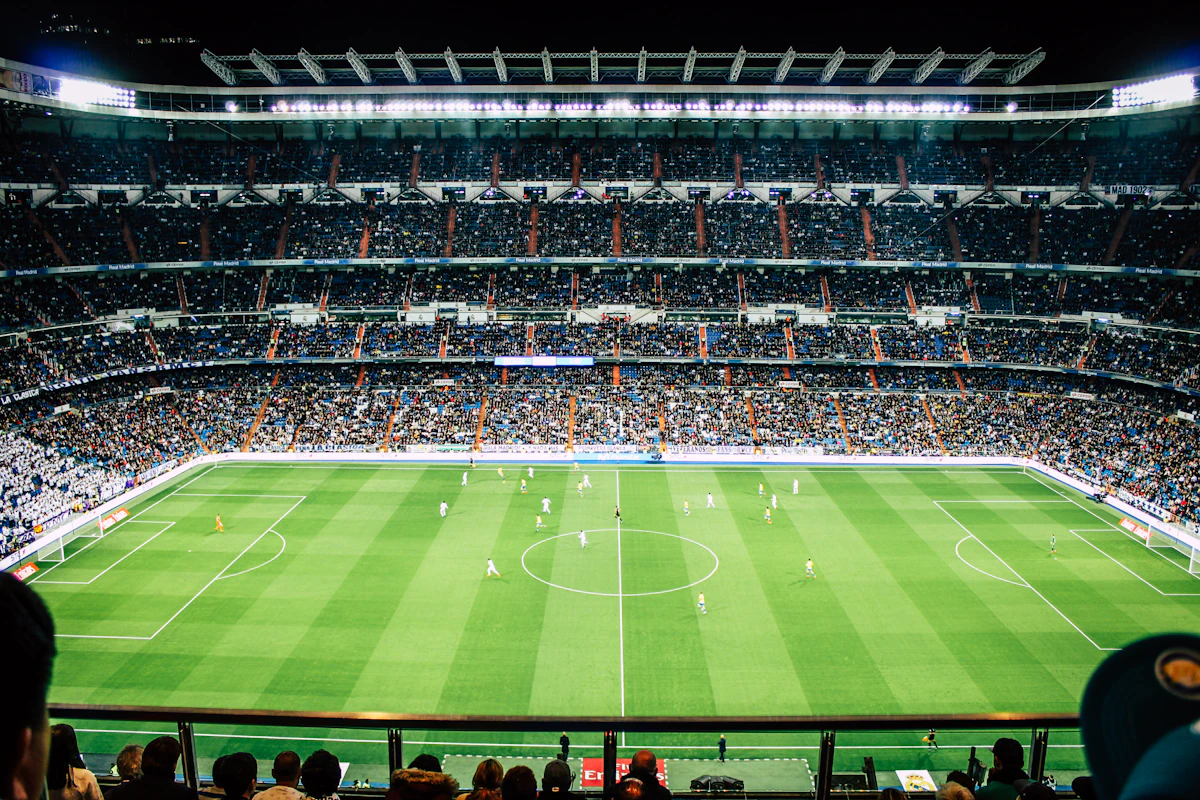
- Primary Signal: Real Madrid Champions League 2026-27: The Kings of Europe and the Road to Madrid
- Overview: Real Madrid are the kings of Europe, and the 2027 final is in their own city. This guide looks at their 2026-27 Champions League campaign, their strengths, and the road to the Esta...
- Verification: Analyzed and compiled by Soccer2026 Global editorial monitoring desk.
No club owns the Champions League the way Real Madrid does. Fifteen European Cups, a record of winning finals that borders on the supernatural, and a habit of producing comebacks that defy logic have made Madrid the team every other club measures itself against. The 2026-27 season carries an extra edge: the final is at the Estadio Metropolitano in Madrid on 5 June 2027, which means the kings of Europe could lift the trophy in their own city. That is the kind of story Madrid specialise in.
Why Madrid Are Different in Europe
Real Madrid treat the Champions League differently from any other club. The competition is woven into the club's identity, and the players are taught from their first day that the European Cup is the standard by which everything else is judged. That belief shows in the biggest moments: when Madrid are losing late in a knockout tie, they do not panic, because they have been in that position so many times before and they know the way out.
The club's record in finals is the clearest proof. Madrid have won the vast majority of the European Cup finals they have played, and their players talk openly about the confidence that history gives them. Opponents know it too, and that knowledge can be worth a goal: teams that lead Madrid late in a tie often retreat and defend, which plays directly into Madrid's hands.
The Squad: Experience and Youth in Balance
Madrid's 2026-27 squad blends the experience of players who have won the competition several times with the hunger of young stars who are still chasing their first European Cup. The attack is built around pace, movement and the ability to score from nothing, while the midfield mixes control with energy. The defence is organised around players who are comfortable defending one against one, which matters in the knockout rounds when the margins are tiny.
The depth of the squad is what sets Madrid apart. When injuries strike, the replacement is usually an international of real quality, not a youngster learning on the job. That depth matters in the league phase, where eight matches against eight different opponents test every part of the squad, and it matters even more in the spring, when the fixtures pile up.
The League Phase: Managing the Road to the Top Eight
Madrid's aim in the league phase is simple: finish in the top eight and avoid the extra play-off round in February. That means taking points from the home matches and picking up results away from home against the strongest opponents. The new format rewards consistency, and Madrid's experience of managing a long campaign is an advantage: they know when to rotate, when to push, and when to accept a draw.
The away matches are the real test. A trip to a hostile stadium on a cold night in November is where the league phase is won and lost, and Madrid's record on the road in Europe is one of the best in the competition's history. If they navigate the away fixtures well, the home matches at the Bernabeu should take care of themselves.
The Knockout Rounds: Where Madrid Come Alive
Whatever happens in the league phase, Madrid are at their most dangerous in the knockout rounds. The two-legged ties suit them, because they can manage the first leg away from home and finish the job at the Bernabeu, where the atmosphere on a European night is unlike anywhere else in football. The club's record of comebacks in the second leg is the stuff of legend, and no team in Europe wants to face Madrid with a narrow lead to defend.
The road to Madrid, literally, is the story of this season. The final is at the Metropolitano, the home of their city rivals Atletico, which adds a delicious twist: Madrid could win their sixteenth European Cup in their rivals' stadium. That is the kind of narrative the club thrives on, and it will be the talk of the season if they get there.
What Could Stop Them
Madrid are not invincible. A serious injury to a key attacker or defender would test the squad's depth, and the fixture list in the spring is brutal, with league matches, cup ties and European nights coming in quick succession. The league phase can also be unforgiving: a slow start leaves no room for error, and a club that finishes ninth instead of eighth faces two extra matches in February. But if Madrid are healthy and focused in the spring, they are the team to beat, and the road to the final in their own city runs through them.
More from Soccer2026 Global


