Champions League Away Goals: Why UEFA Abolished the Rule That Defined Comebacks
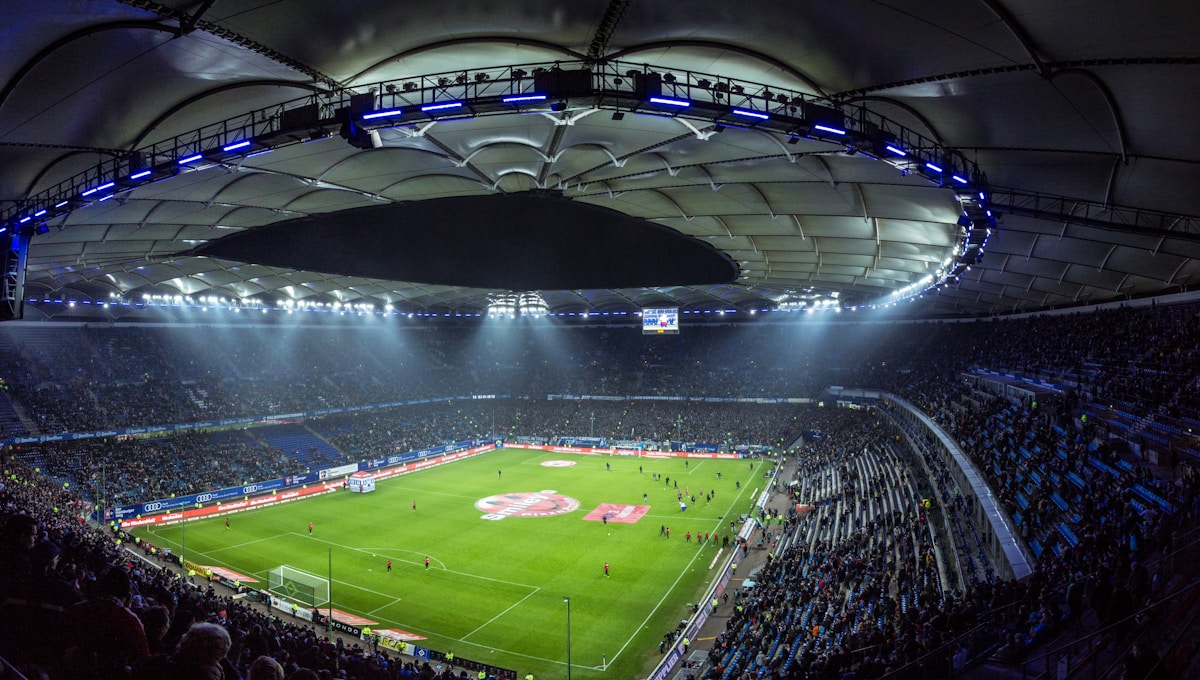
- Primary Signal: Champions League Away Goals: Why UEFA Abolished the Rule That Defined Comebacks
- Overview: The away goals rule decided ties for over 50 years before UEFA scrapped it in 2021. Learn why it was introduced, how it shaped legendary comebacks, and why it had to go....
- Verification: Analyzed and compiled by Soccer2026 Global editorial monitoring desk.
For more than half a century, the away goals rule was the invisible hand shaping European knockout football, rewarding teams that scored on their travels and punishing those that conceded at home. Then, in June 2021, UEFA abolished it, and ties level on aggregate now go to extra time and penalties instead. The decision ended an era of tactical calculation that had produced some of the competition's most famous nights, and it was welcomed by many coaches who felt the rule had outlived its purpose. Understanding why the rule existed, how it changed behaviour, and why it was finally scrapped explains one of the most significant rule changes in modern European football.
The away goals rule was introduced in the 1965-66 season to solve a practical problem: how to decide a two-legged tie without endless replays or coin tosses. In an era when travelling was arduous and home advantage was enormous, scoring away from home was genuinely difficult, so rewarding it seemed fair. The rule stated that if the aggregate score was level, the team that scored more goals away from home advanced, which encouraged visiting teams to attack rather than defend for a goalless draw. For decades it worked as intended, producing dramatic second legs where a single away goal could transform the tie. The rule became part of football's folklore, with fans calculating permutations in real time and commentators explaining scenarios that hinged on one goal.
The away goals rule shaped tactics in ways that went far beyond tiebreakers. Home teams in first legs played cautiously, terrified of conceding an away goal that would hand the initiative to their opponents, while away teams attacked with a freedom they would not otherwise have had. The rule produced legendary comebacks and heartbreaks in equal measure: teams that won first legs comfortably were undone by a single away goal in the return, and ties that seemed over were revived by a late strike on the road. Critics argued that the rule distorted the competition, making the first leg's away goal worth more than a home goal, and encouraging defensive football from hosts. Supporters countered that it created drama and rewarded bravery, and the debate ran for decades without resolution.
UEFA's decision to abolish the rule rested on evidence that its original justification no longer held. Travel conditions had improved dramatically, pitches were standardised, and statistical analysis showed that home advantage had shrunk significantly since the 1960s, making away goals no more difficult than home goals. The rule was also producing perverse incentives: home teams in first legs played so defensively that matches became dull, and the fear of conceding an away goal distorted tactics more than the rule's benefits justified. UEFA's technical observers concluded that the rule now deterred attacking football rather than encouraging it, and that ties level on aggregate should be decided on the pitch, through extra time and penalties, rather than by an arithmetic quirk. The abolition applied across all UEFA club competitions from the 2021-22 season.
Since abolition, knockout ties have changed in subtle but measurable ways. First-leg home teams attack more freely, no longer paralysed by the fear of conceding an away goal, and second legs level on aggregate now produce extra time rather than an instant winner. The change has been broadly welcomed by coaches, who prefer to decide ties through play rather than calculation, although some fans miss the unique drama of the away-goal permutation. The new league-phase format, introduced in 2024-25, has further reduced the rule's relevance, since the knockout play-offs and round of 16 are now played under the same no-away-goals system. The away goals rule remains a beloved part of Champions League history, but its abolition reflects a competition that has outgrown the conditions that created it.
📖 Continue Reading the Full Story
Continue reading this article on Soccer2026 Global.
⚡ Access Full Content NowMore from Soccer2026 Global


 🏏 RC11 Fantasy & Cricket
How to Spot Differential Picks in Dream11 Grand Leagues
Grand leagues are won by players the crowd ignores. Here is a practical framework for finding low-owned, high-...
 🏆 2026 World Cup Central
World Cup 2026 Refereeing Explained: VAR, Semi-Automated Offside and the New Rules
Why did the referee wait, and why was that goal disallowed? A clear guide to VAR, semi-automated offside and t...
⚽ SportsBet Insights Live
Comprehensive Guide: Calculadora de Parlay — Odds Combinadas e Prêmios (Day 1 Guide)
Everything you need to know about Calculadora de Parlay — Odds Combinadas e Prêmios on SportsBet Insights Live...
⚽ Global Football Odds
Comparative Review: Calculadora de Parlay — Odds Combinadas e Prêmios (Day 11 Guide)
Why our free online Calculadora de Parlay — Odds Combinadas e Prêmios on Global Football Odds. Discover essent...