Fastest Goals in Champions League History: Seconds That Shocked Europe
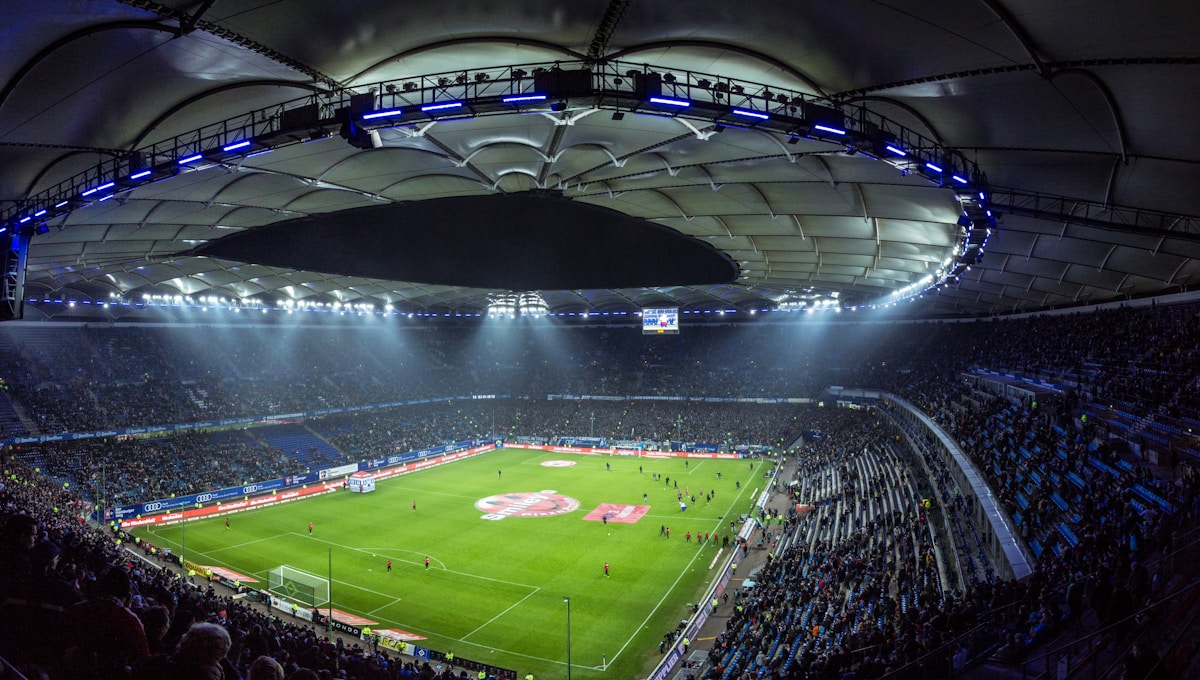
- Primary Signal: Fastest Goals in Champions League History: Seconds That Shocked Europe
- Overview: A goal inside the first minute changes everything: the fastest Champions League goals came from kick-off routines, pressing traps and pure opportunism....
- Verification: Analyzed and compiled by Soccer2026 Global editorial monitoring desk.
Scoring in the first minute of a Champions League match is one of the rarest and most electrifying feats in football. The opposition has barely touched the ball, the stadium is still settling, and suddenly the tie has a completely different shape. The fastest goals in the competition's history, some scored inside ten seconds, share a common feature: they were planned, or at least made possible by aggressive, front-foot football from the first whistle. The fastest goals in Champions League history were often scored by players who anticipated a mistake, pressing the opposition's first pass or gambling on a run in behind a defence that had not yet organised.
Most of the fastest Champions League goals came from kick-off routines or immediate pressing. A team that kicks off and drives forward, or that presses the opposition's first pass aggressively, can catch a defence that is not yet organised. Some of the fastest goals were opportunistic: a misplaced clearance, a goalkeeper caught off his line, a defender slipping at the worst moment. Others were rehearsed moves, practised on the training ground and unleashed at the perfect moment. Kick-off routines are rehearsed on training grounds, and some of the quickest goals came from moves that had been practised for weeks and unleashed at exactly the right moment in a major game.
The record for the fastest goal has changed hands several times, and each new record has been celebrated precisely because it seemed impossible to beat. Scoring so early requires not just skill but audacity: a player must be willing to shoot from distance, or to gamble on a run, in the opening seconds, when most players are still finding their rhythm. Scoring early does not guarantee victory, because the conceding team has ninety minutes to recover, and experienced sides are trained to stay calm and stick to their game plan after an early setback.
An early goal transforms a match. The scoring team can sit deeper, protect its lead and counter-attack; the conceding team must chase the game, take risks and leave space behind. In a two-legged tie, an early away goal in the first leg, or an early goal in the second leg, can swing the entire tie, forcing the opposition to change its plan before it has settled. The record for the fastest Champions League goal has been broken several times, and each new record has been celebrated because it seemed impossible that a goal could come any quicker.
Yet early goals do not guarantee victory. Many teams that conceded in the first minute have recovered to win, because ninety minutes is a long time and the psychological shock wears off. Managers now prepare their teams for conceding early, telling them to stay calm and stick to the plan. The teams that handle an early setback best are usually the most experienced ones. Television coverage has made fast goals even more memorable, because replays show the build-up in forensic detail and allow supporters to appreciate the audacity and precision involved.
Fast goals are beloved because they are pure drama: no build-up, no warning, just a sudden explosion of noise. They are also a reminder that football is unpredictable, and that the biggest games can be decided by a moment of daring in the opening seconds. Some of the fastest goals were scored by substitutes or by players who had only just entered the game, which proves that alertness and anticipation matter as much as raw speed.
For supporters, the fastest goals are a reason to arrive early and to never switch off. The next record could come at any time, in any game, and the player who scores it will be remembered long after the match itself is forgotten. In a competition defined by its great nights, the fastest goals are among the shortest and sharpest memories of all. For fans, the lesson is simple: never arrive late for a Champions League game, because the most extraordinary moment of the night might happen before you have even found your seat.
📖 Continue Reading the Full Story
Continue reading this article on Soccer2026 Global.
⚡ Access Full Content NowMore from Soccer2026 Global



 🏆 WorldCup2026 Cities
Boston World Cup 2026 Host City Guide: Stadium, History and Fan Tips
One of America's most walkable host cities: Boston's stadium, transport, history and food for World Cup 2026 v...
 🏏 RC11 Fantasy & Cricket
How to Spot Differential Picks in Dream11 Grand Leagues
Grand leagues are won by players the crowd ignores. Here is a practical framework for finding low-owned, high-...
⚽ SportsBet Insights Live
Comprehensive Guide: Calculadora de Parlay — Odds Combinadas e Prêmios (Day 1 Guide)
Everything you need to know about Calculadora de Parlay — Odds Combinadas e Prêmios on SportsBet Insights Live...
⚽ Global Football Odds
Comparative Review: Calculadora de Parlay — Odds Combinadas e Prêmios (Day 11 Guide)
Why our free online Calculadora de Parlay — Odds Combinadas e Prêmios on Global Football Odds. Discover essent...