Soccer Midfield Roles: Number 6, 8 and 10 Explained

- Primary Signal: Soccer Midfield Roles: Number 6, 8 and 10 Explained
- Overview: The 6 shields the defence, the 8 drives box to box, and the 10 creates between the lines. Learn each midfield role and why their balance decides matches....
- Verification: Analyzed and compiled by Soccer2026 Global editorial monitoring desk.
Commentators throw around numbers like the 6, the 8, and the 10 as if every fan knows what they mean. Soccer midfield roles, the number 6, 8, and 10 explained, unlock the tactical heart of the modern game, because midfield is where matches are controlled, and each number describes a different job. A team with the wrong balance in midfield loses even with great attackers, which is why coaches obsess over these roles.
The number 6 is the holding midfielder, the player who sits deepest and protects the defence. Their primary jobs are intercepting passes, breaking up counter-attacks, and recycling possession safely to more creative teammates. A great 6 reads danger before it develops, positions themselves to cut passing lanes, and rarely needs a spectacular tackle because they are already in the right place.
Modern 6s also start attacks. Rather than simply passing sideways, the best holding midfielders receive under pressure, turn, and play forward into midfield, turning defence into attack in one pass. Teams that lack a good 6 look exposed: opponents run straight at the centre-backs, and the defence faces wave after wave of attacks.
The number 8 is the box-to-box midfielder, the engine of the team. They cover more ground than anyone, supporting attacks with late runs into the box and tracking back to defend when possession is lost. An 8 needs stamina, timing, and versatility: they must pass, tackle, shoot, and press, often within the same passage of play.
There are two flavours of 8. A defensive 8 leans toward ball-winning and covers for an attacking fullback, while an attacking 8 pushes higher, arrives late in the box, and scores goals. The best teams pair complementary 8s, one to hold shape and one to break lines, so the midfield stays balanced no matter which phase the game is in.
The number 10 is the playmaker, the player given freedom to find space between the opposition's midfield and defence. Their job is to create: through balls, clever passes, and moments of vision that unlock a packed defence. A classic 10 plays high, takes risks, and is judged on chances created rather than tackles made.
The pure 10 has become rarer because modern pressing demands that every player defends, and a player who stays high while the team defends leaves a hole. Many teams now use a 10 who presses aggressively or drops into midfield when out of possession, blending creativity with work rate. The role survives, but it has adapted: today's 10 must create and compete.
The balance between 6, 8, and 10 defines a team's style. A side with a strong 6 and two hard-working 8s will control games and suffocate opponents, while a side with a brilliant 10 and a weak 6 will thrill going forward and leak goals going back. Coaches build midfields like puzzles, matching profiles so that each player's weakness is covered by a teammate's strength.
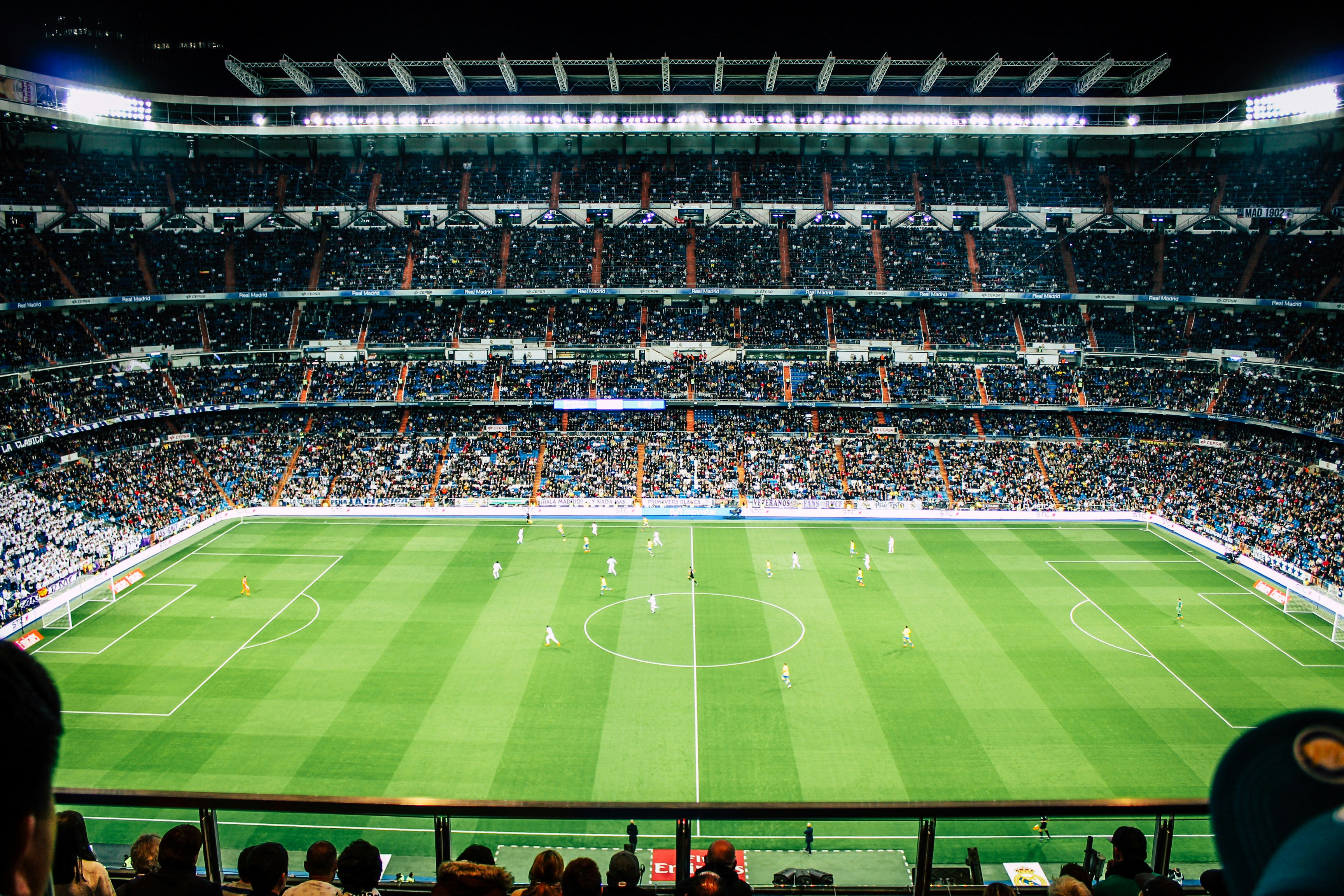
Next time you watch a match, focus on the midfield triangle for ten minutes. Watch the 6's positioning, the 8's running, and the 10's movement between the lines. You will start to see the game the way coaches do, and you will understand why the best midfield, not the best striker, usually wins the league. Great midfields are built, not bought in isolation, and the clubs that get the balance right usually find that the rest of the team, from defence to attack, suddenly looks far better than it did before. The broader lesson is worth remembering the next time the topic comes up among fans: the details behind the headlines usually matter more than the headlines themselves, and a little patience with the process beats a rush to judgement every single time.
📖 Continue Reading the Full Story
Continue reading this article on Soccer2026 Global.
⚡ Access Full Content NowMore from Soccer2026 Global



 ⚽ SportsBet Insights Live
How Betting Odds Work (Explained So Simply Anyone Gets It)
Decimal, fractional, American — every odds format explained in plain English, plus how to convert odds into pr...
 🏆 2026 World Cup Central
World Cup 2026 Knockout Bracket Explained: The New Format Step by Step
A practical guide to World Cup 2026 knockout bracket explained: what it means, how it works, common mistakes, ...
⚡ Soccer2026 LiveWire
Can an AI Receptionist Handle Your Soccer Club's Fan Support Calls?
Club offices close at 5 PM, but fans call evenings and matchdays. Here's how an AI receptionist answers in you...
 ⚽ Global Football Odds
World Cup 2026 Betting Preview: What to Know Before the Tournament Kicks Off
The 2026 World Cup is the biggest ever — 48 teams, 16 host cities, and a new format that changes how bettors s...